
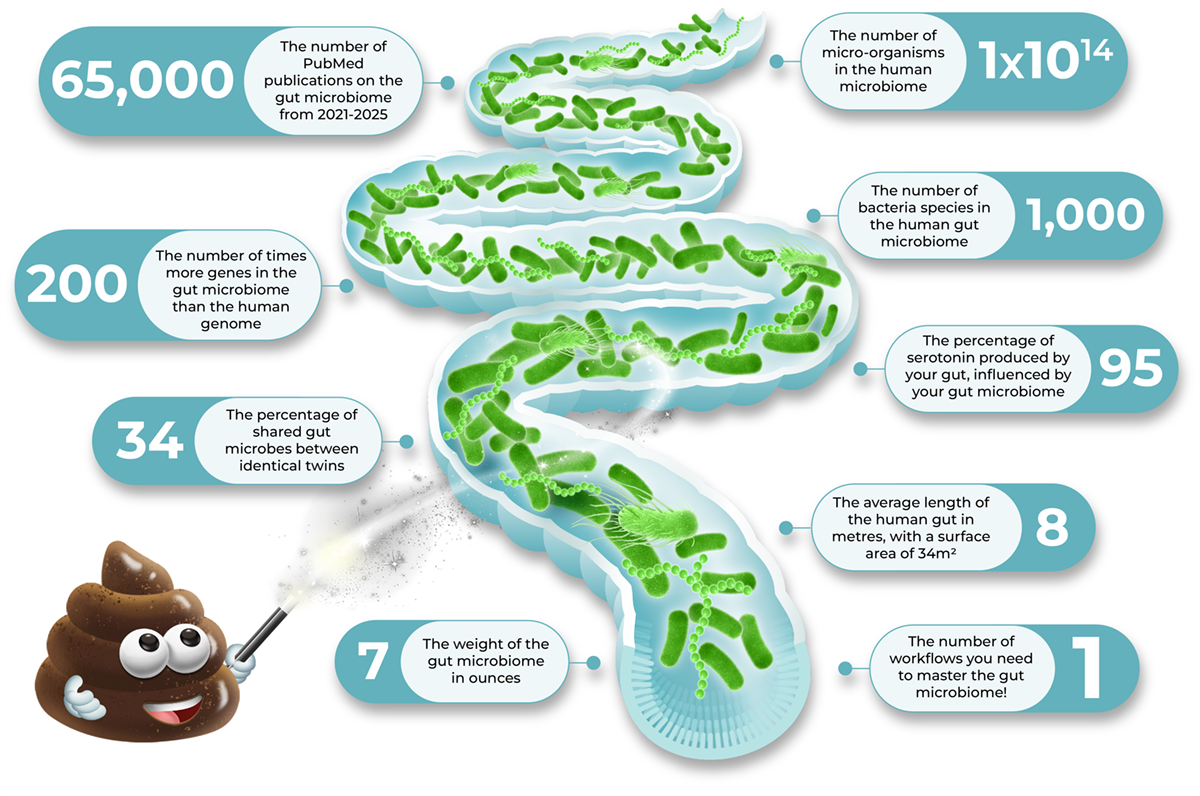
The human gut is home to trillions of microorganisms that influence everything from digestion and immunity to metabolism, neurological function, and disease progression. As gut microbiome research continues to expand across fields including inflammatory bowel disease (IBD), colorectal cancer, obesity, ageing, and precision nutrition, researchers face a common challenge: generating reliable, reproducible data from complex biological samples. Recent guidance from leading UK microbiome researchers highlights the importance of standardised workflows, validated controls, and robust analytical methods to ensure meaningful biological conclusions (Alexander et al., 2026).
Cambridge Bioscience and Zymo Research provide a complete, end-to-end microbiome workflow designed to minimise bias and maximise reproducibility, from sample collection through sequencing-ready libraries. Whether you're studying gut health, disease biomarkers, dietary interventions, or microbial ecology, every stage of the workflow has been engineered with accuracy, convenience, and scientific confidence in mind. We are offering 20% off products within the workflow when you purchase 2 or more.

Step 1: collect and preserve the microbiome snapshot
DNA/RNA Shield™ faecal collection tubes
Every microbiome study begins with sample collection, and this is often where unwanted variation is introduced. Changes in temperature, transport delays, and microbial growth can all alter the true composition of a stool sample before analysis even begins.
Why researchers choose DNA/RNA Shield™
- Immediate preservation of microbial profiles
- Room-temperature shipping and storage
- Pathogen inactivation for safer handling
- Compatible with NGS, qPCR and multi-omics workflows
- Available with bead-based homogenisation options

Step 2: benchmark your workflow with confidence
NEW: ZymoBIOMICS® gut microbiome standard
The new ZymoBIOMICS® gut microbiome standard provides an essential quality control tool for gut microbiome studies. Unlike generic mock communities, this standard has been specifically designed to mimic the complexity of the human gut microbiome, incorporating 21 microbial strains representing bacteria, fungi, and archaea.
Researchers can use the standard to evaluate extraction efficiency, assess sequencing bias, validate bioinformatics pipelines, and compare performance between operators, laboratories, or studies.
Why it matters
Recent international initiatives have highlighted substantial variability between microbiome laboratories when analysing identical samples, underscoring the growing need for robust reference materials and workflow controls (Anwar et al., 2025).
Key benefits
- 21-species gut-representative community
- Includes bacteria, archaea, and fungi
- Supports workflow validation and optimisation
- Ideal positive control for NGS-based gut microbiome projects
- Helps identify extraction and sequencing biases
Step 3: extract high-quality microbial DNA and RNA
ZymoBIOMICS® nucleic acid extraction kits
Differential lysis can dramatically skew microbial abundance profiles, particularly when Gram-positive organisms are underrepresented. The ZymoBIOMICS® extraction portfolio has become one of the most widely adopted solutions for microbiome research because it is specifically engineered to minimise extraction bias and maximise representative recovery of microbial nucleic acids.
Using validated mechanical lysis and optimised purification chemistries, ZymoBIOMICS kits help ensure accurate representation of both easy- and difficult-to-lyse organisms across the microbial community.
Advantages for gut microbiome research
- Proven low-bias microbial lysis
- Compatible with stool and other challenging sample types
- DNA and RNA workflow options available
- Ideal for metagenomics, 16S sequencing and multi-omics studies
- Benchmarked using ZymoBIOMICS standards
Step 4: generate sequencing-ready libraries in record time
Quick-16S™ library preparation kits
Library preparation is often one of the most labour-intensive stages of microbiome analysis, but Zymo's Quick-16S™ library preparation kits streamline the journey from extracted DNA to sequencing-ready libraries. The workflow uses quantitative PCR (qPCR)-based amplification and simplified clean-up steps to dramatically reduce hands-on time while maintaining high data quality. The latest workflow can prepare up to 96 samples with as little as 30 minutes of hands-on time.
Enhanced primer design improves phylogenetic coverage across bacterial and archaeal taxa, helping researchers achieve a more comprehensive view of microbial diversity.
Benefits
- Rapid workflow with minimal hands-on time
- Reduced PCR chimera formation
- Improved bacterial and archaeal coverage
- Suitable for high-throughput studies
- Compatible with leading sequencing platforms
Did you know?
Mastering the gut microbiome through research is becoming increasingly important because it sits at the intersection of digestion, immunity, and brain health, and is now recognised as a key driver in many neurological conditions.
Featured microbiome research
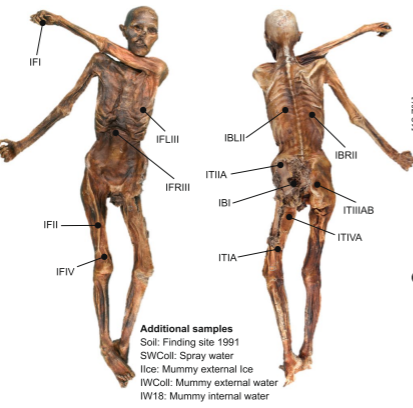 The Iceman mummy is a 5,300 year old mummy found frozen in the Ötzal Alps in 1991. His discovery provided the unique opportunity to study ancient microbial ecosystems. Researchers found
that internal tissues preserved ancient gut bacteria that provided a rare snapshot of a Copper Age human microbiome, while cold-adapted bacteria and yeasts from the glacier and museum environment had also colonised the mummy and may remain active under current storage conditions.
The Iceman mummy is a 5,300 year old mummy found frozen in the Ötzal Alps in 1991. His discovery provided the unique opportunity to study ancient microbial ecosystems. Researchers found
that internal tissues preserved ancient gut bacteria that provided a rare snapshot of a Copper Age human microbiome, while cold-adapted bacteria and yeasts from the glacier and museum environment had also colonised the mummy and may remain active under current storage conditions.
The study showed that the Iceman is not a static archaeological specimen but a dynamic microbial ecosystem where ancient and modern microorganisms coexist, with implications for both ancient microbiome research and long-term mummy conservation.

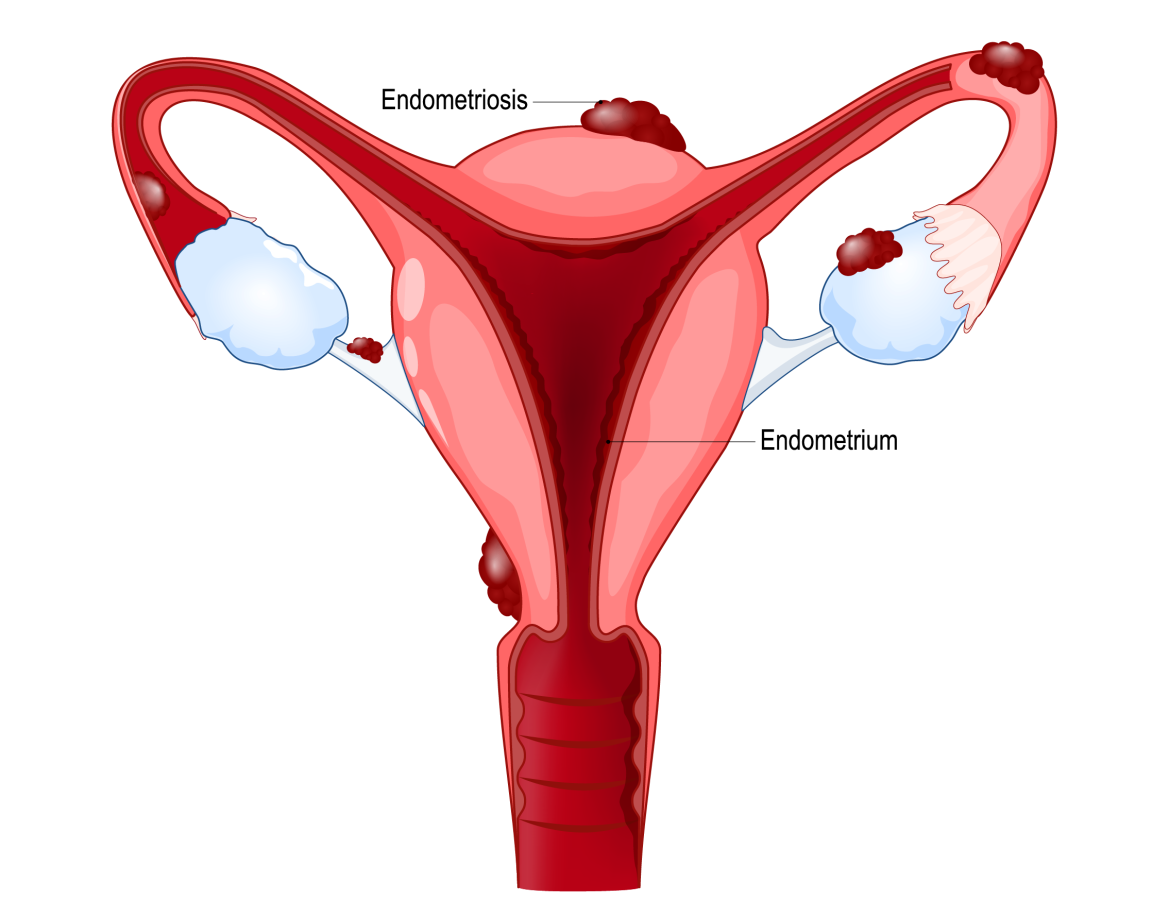 Endometriosis is a chronic inflammatory disease where cells similar to those that line the womb grow elsewhere in the body. Research suggests that people with endometriosis may have differences in their gut and reproductive microbiome, although it remains unclear whether these changes are a cause or consequence of the disease. The microbiome may influence inflammation, pain, immune function, and hormone regulation, while endometriosis itself may alter the microbiome through chronic pain, stress, and lifestyle factors. The ENDO1000 project will investigate these relationships by analysing microbiome samples from participants to better understand how microbial communities are linked to symptoms, treatment responses, and long-term health outcomes.

 This study of 135 patients with colorectal cancer examined the relationship between tumour-associated microbiota, tumour metabolism, and clinical outcomes following surgical resection. The authors identified distinct bacterial communities within tumours and found that a microbiota cluster containing the pathobionts Fusobacterium nucleatum and Granulicatella adiacens was associated with tumour tissue and, unexpectedly, predicted improved disease-free survival after surgery. In contrast, a cluster enriched in bacteria such as Faecalibacterium prausnitzii and Ruminococcus gnavus was associated with poorer outcomes. The findings suggest that the composition of the tumour microbiome may have prognostic value in colorectal cancer and could influence disease progression through interactions with the tumour microenvironment and host immune responses.
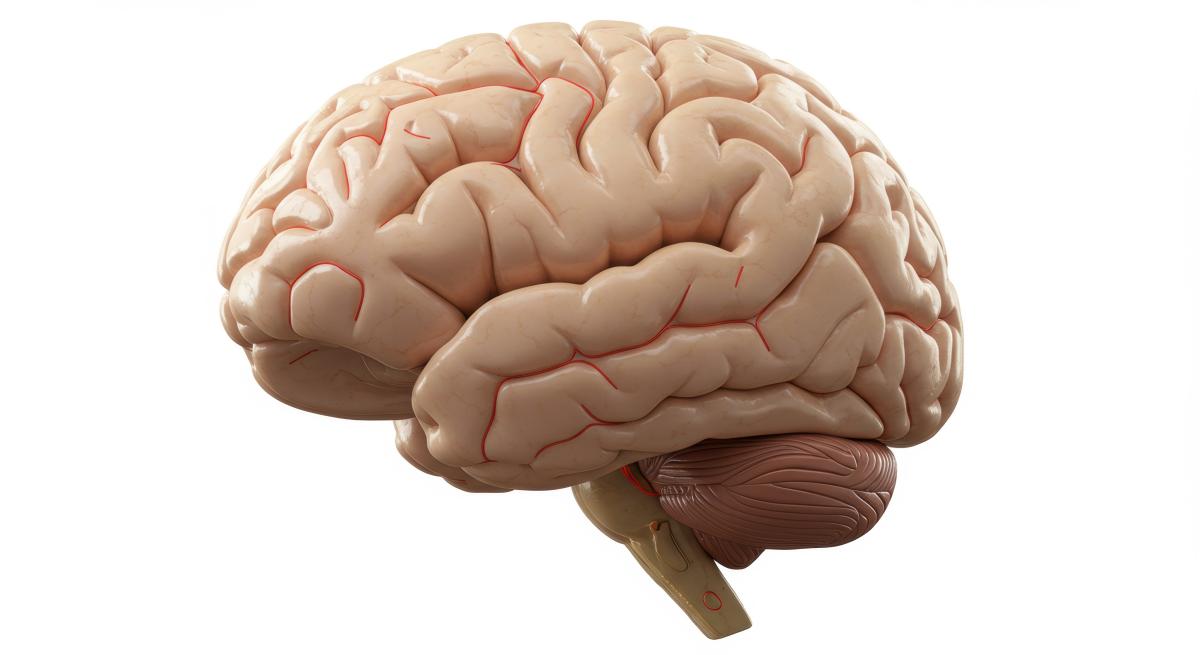 The UK Gut-Immunology-Brain Axis Network+ is a four-year research initiative that aims to uncover how interactions between the gut microbiome, immune system, and brain influence health, disease, and wellbeing. The network will bring together researchers from multiple disciplines to investigate the biological mechanisms linking gut health to mental health, brain ageing, dementia, neurodevelopment, and chronic inflammatory diseases, while also exploring how lifestyle factors such as diet, sleep, and stress affect these processes. Ultimately, the programme seeks to generate evidence-based strategies, therapies, and health recommendations to improve physical, cognitive, and mental health across the lifespan.
Watch: Precision microbiome medicine
References
Alexander JL, Mullish BH, Thomas L, et al. Recent advances in our understanding of the gut microbiome: an analysis from the Gut Microbiota for Health Expert Panel of the British Society of Gastroenterology Gut Published Online First: 02 June 2026. doi: 10.1136/gutjnl-2026-338252.
Anwar S, Lamaudiere M, Hassall J, Dehinsilu J, Bhuller RK, Hold GL, Vázquez-Campos X, Mahnert A, Moissl-Eichinger C, Gallé B, Kainz G, Pjevac P, Hausmann B, Schwarz J, Kohl G, Berry D, Vancuren SJ, Allen-Vercoe E, Nielsen N, Sørensen N, Eklund A, Nielsen HB, Riedel R, Krause JL, Chang H, Park S, Song H, Seo H, ul-Haq A, Kim S, Kwon Y, Park S, Soberon X, Silva-Herzog E, Verlouw JAM, Arp P, Jhamai M, Kraaij R, Geelen AR, Ducarmon QR, Smits WK, Kuijper EJ, Zwittink RD, van Best N, Penders J, Le G, Driessen C, Kool J, Shetty SA, Fuentes S, Demirci M, Yigin A, Whalley C, Beggs AD, Quince C, James R, Raguideau S, Gordon M, Mate R, Fritzsche M, Danckert NP, Blanco JM, Marchesi JR, Rauch M, Williamson RA, van't Wout AB, Kritz A, Rosecker S, Stevens R, Laws L, Sayavedra L, Romano S, Telatin A, Baker D, Narbad A, Servetas SL, Kralj JG, Forry SP, Hunter ME, Dootz JN, Jackson SA, Mason CE, Butler DJ, Mozsary C, Foox J, Damle N, Resh A, Busswitz A, Lenz P, Sontag S, Cross A, Sanchez C, Guo M, Olson K, Smith EA, La Reau AJ, Ward T, Kuersten S, Hyde F, Khrebtukova I, Schroth G, Rijpkema S, Amos GCA, Sergaki C.2025.DNA reference reagents isolate biases in microbiome profiling: a global multi-lab study. mSystems10:e00466-25.https://doi.org/10.1128/msystems.00466-25.
Products
Note: product availability depends on country - see product detail page.
| Details | Cat number & supplier | Size | Price |
| Quick-16S Plus NGS Library Prep Kit (V4) (96 preps) with Index Primer Set 4 D6430-PS4 · Zymo Research | D6430-PS4 Zymo Research |
96 reactions |
£1452.00
96 reactions
view
|
| DNA/RNA Shield Fecal Collection Tube (with Beads) R1137 · Zymo Research | R1137 Zymo Research |
10 pce |
£138.00
10 pce
view
|
| ZymoBIOMICS DNA Miniprep Kit (50 preps) D4300 · Zymo Research popular product | D4300 Zymo Research |
50 preps |
£452.00
50 preps
view
|
| ZymoBIOMICS Gut Microbiome Standard (10 preps.) D6331 · Zymo Research | D6331 Zymo Research |
10 preps |
£570.00
10 preps
view
|
| ZymoBIOMICS RNA Mini Kit (50 preps) R2001 · Zymo Research | R2001 Zymo Research |
50 preps |
£671.00
50 preps
view
|
| ZymoBIOMICS DNA/RNA Mini Kit (50 preps) R2002 · Zymo Research popular product | R2002 Zymo Research |
50 preps |
£877.00
50 preps
view
|